
Week 120 · Poland & Germany · Lubin · Berlin
Germany
Again most of the week was work-focused — out the door at 7am and finishing dinner after 10pm with a different hotel every night. Generally not aware you are in Europe except for a couple of free hours in Lubin, Poland and a late afternoon in Berlin.
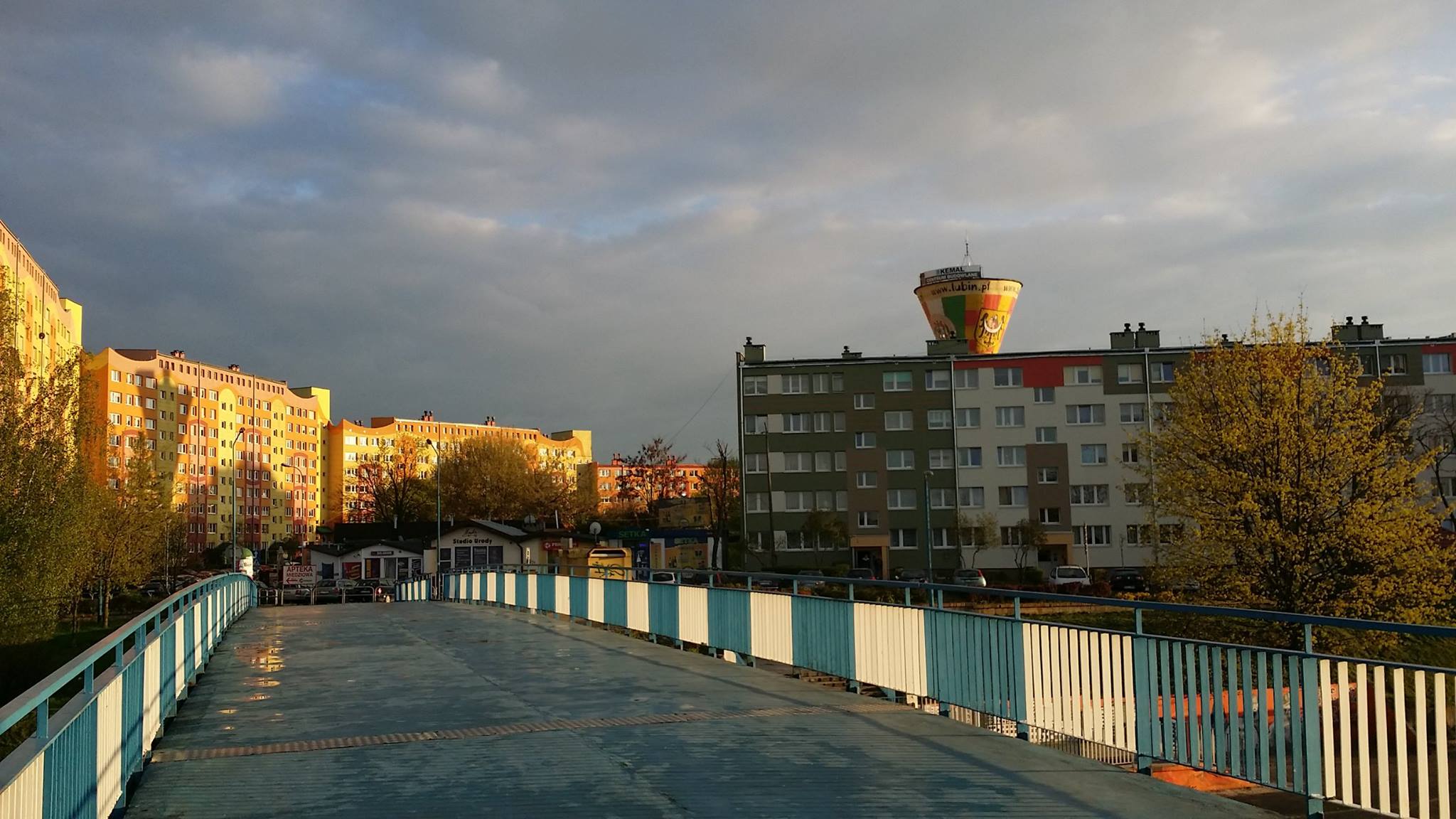
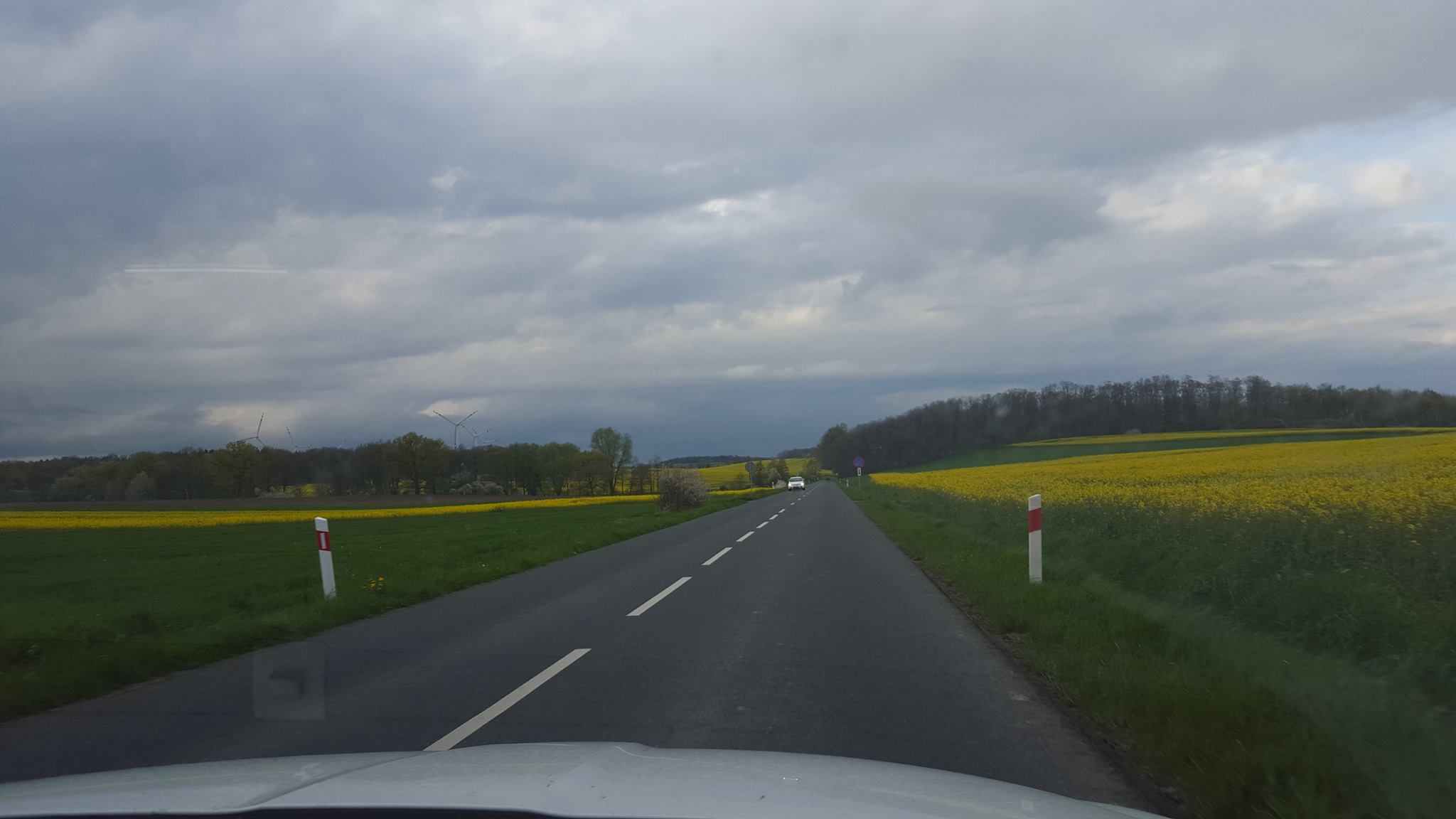
My first trip to Poland — landed in Wroclaw and immediately went to Lubin. Lubin is a coal and silver mining town where we are completing an energy plant — the purpose is to keep the mine cool. A mine that goes for 30 miles underground horizontally. Apparently keeping the mine cool is a relatively new concept — used to work in above 100°F conditions in Soviet times.
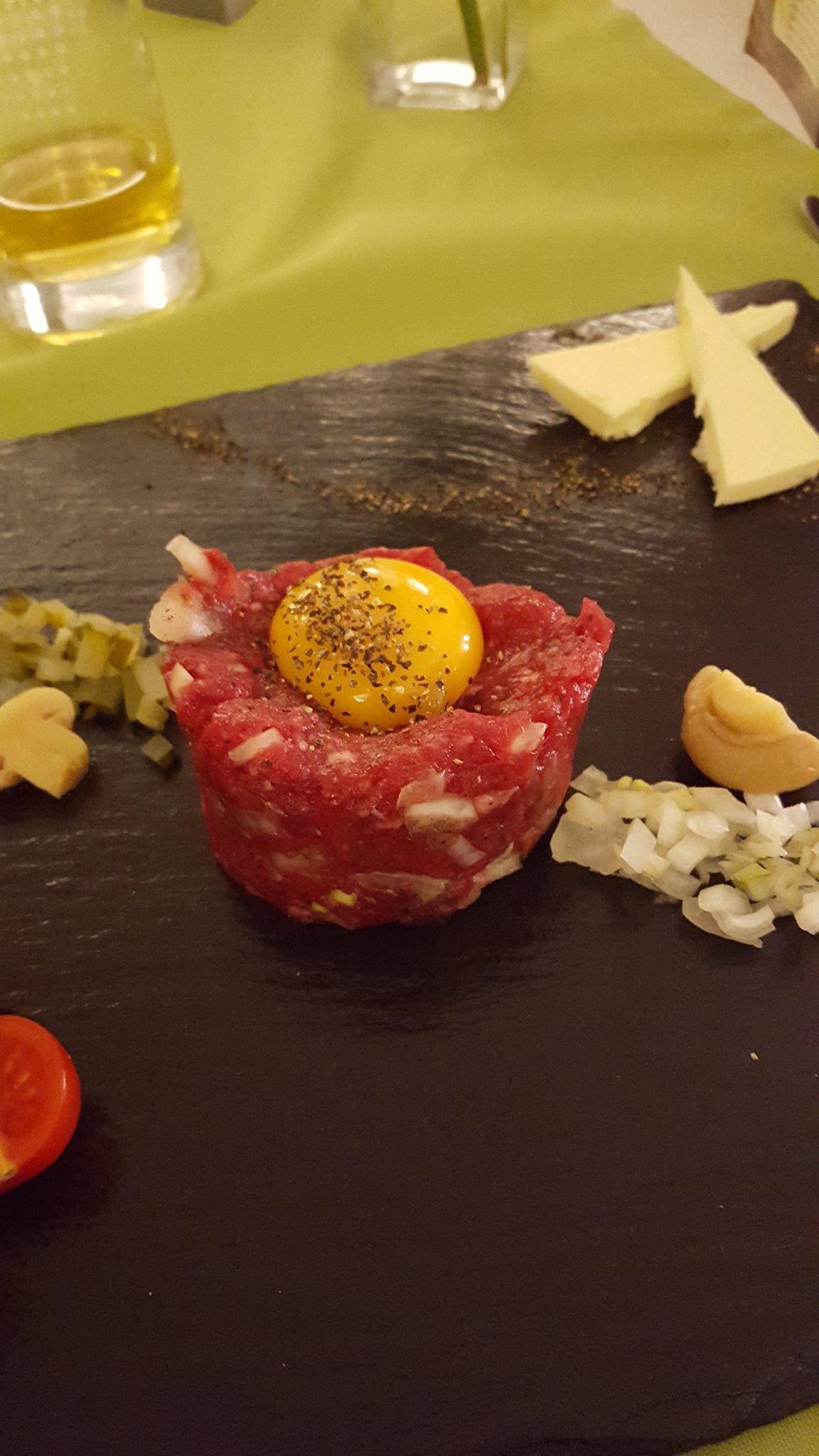
My host was great — he was in his early 40s and he was happy with the post-communist economy, but some longed for the guaranteed job for life even if it meant less freedom. The quality of life has improved for most but they are not remembering the downside. Had a walk around town before dinner and saw some of the sights. He and my other work colleague asked me to explain Bernie and Donald — the discussion spilled over more than one beer and a potato vodka shot for the others after eating raw meat.
The sign visible at the top of this post — the first sign seen on a walk through Lubin — prompted the remark from a local host that it was the first time he had seen it in years. Lubin sits in Lower Silesia and was heavily shaped by Soviet-era industrial policy centered on its KGHM copper and silver mines, which remain among the largest in Europe. The post-communist transition brought significant economic disruption before the region stabilized. Soviet-era housing blocks — now brightly painted — still dominate the residential areas.

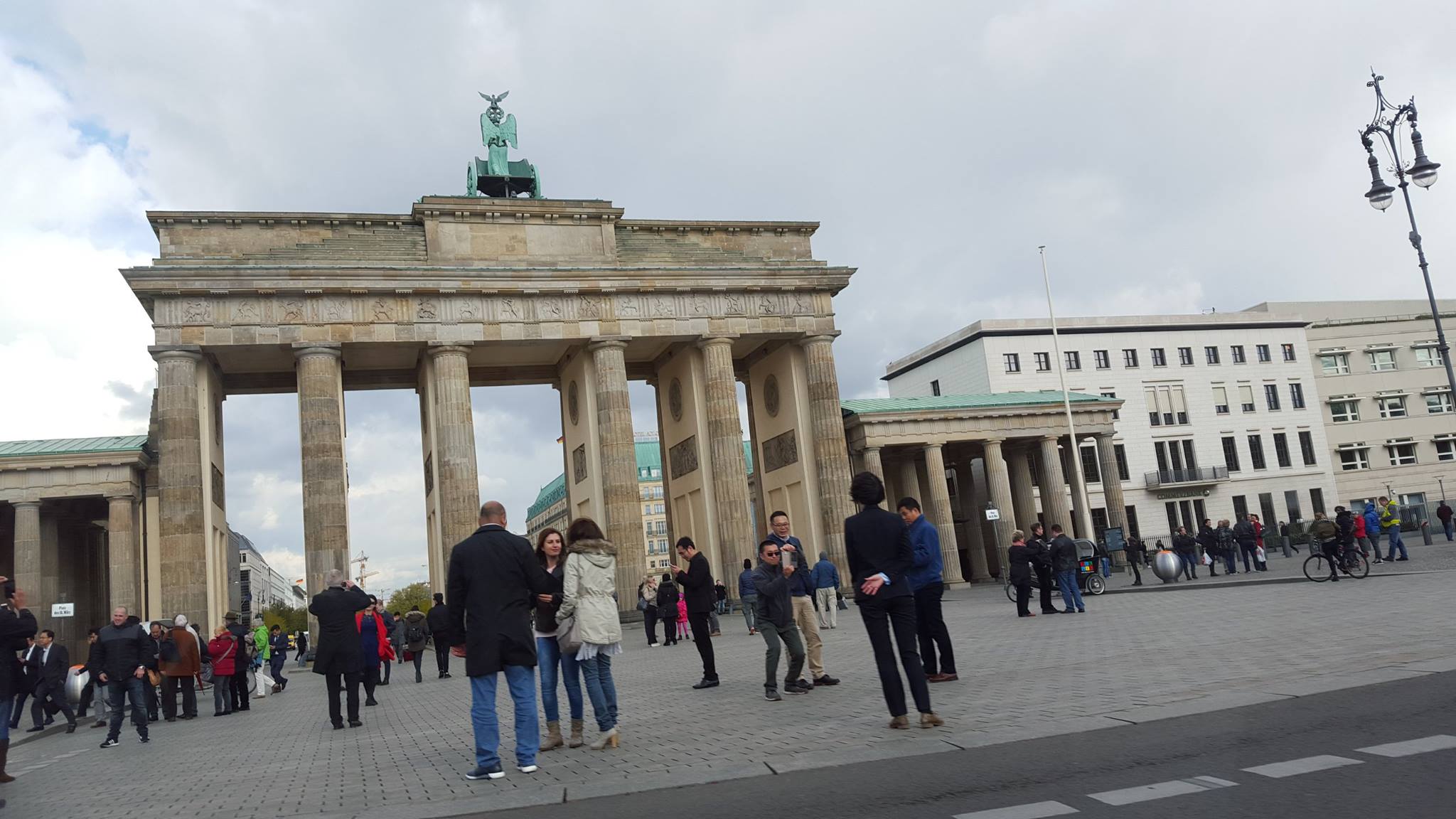
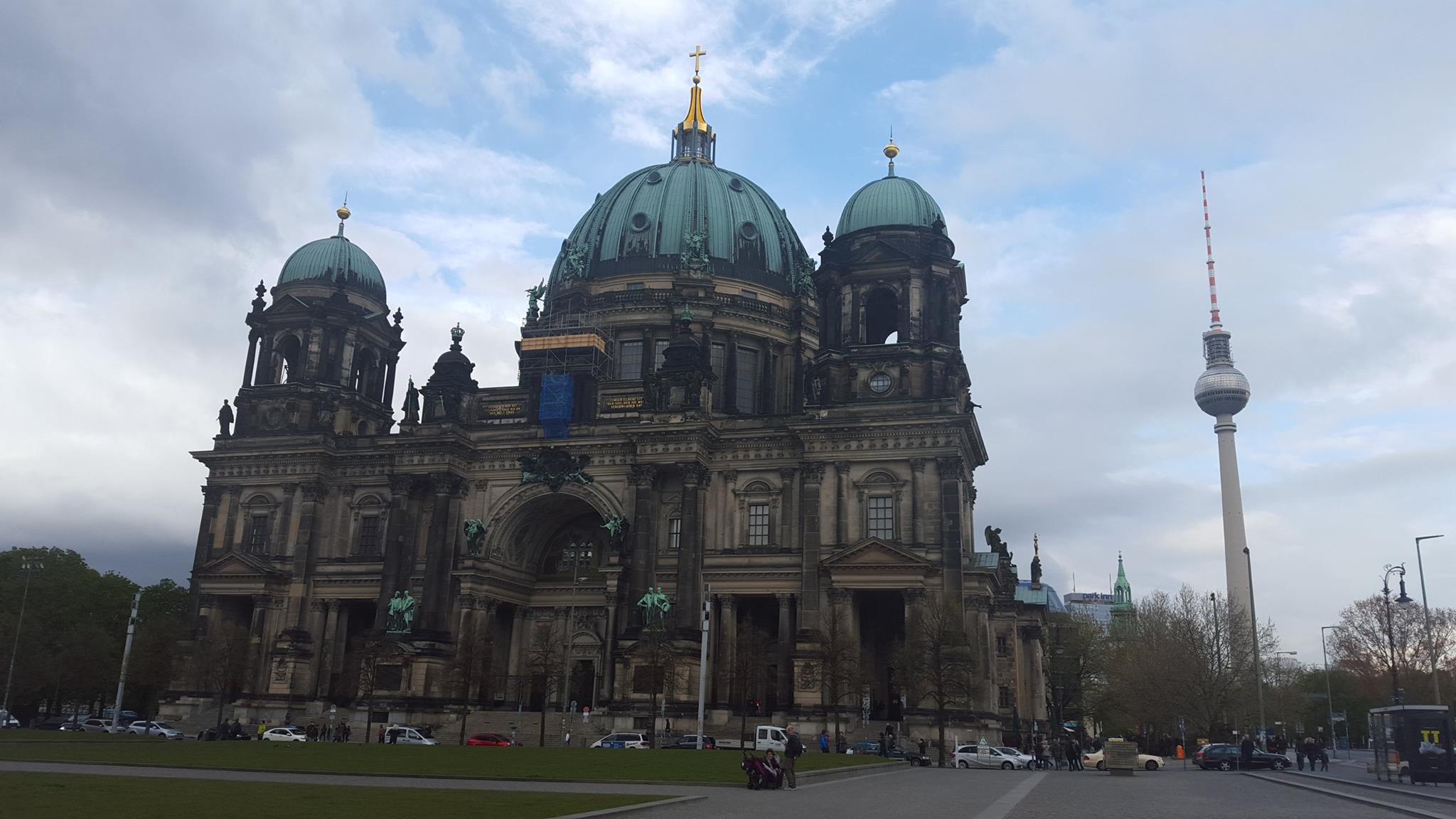
I was last in Berlin about 15 years ago — unlike Munich which hadn't changed much in 15 years, Berlin was a totally different place. Had 3 hours to whip through the DDR experience and walk to Checkpoint Charlie. Each merits more time — but Checkpoint Charlie and the Wall Museum are the best.
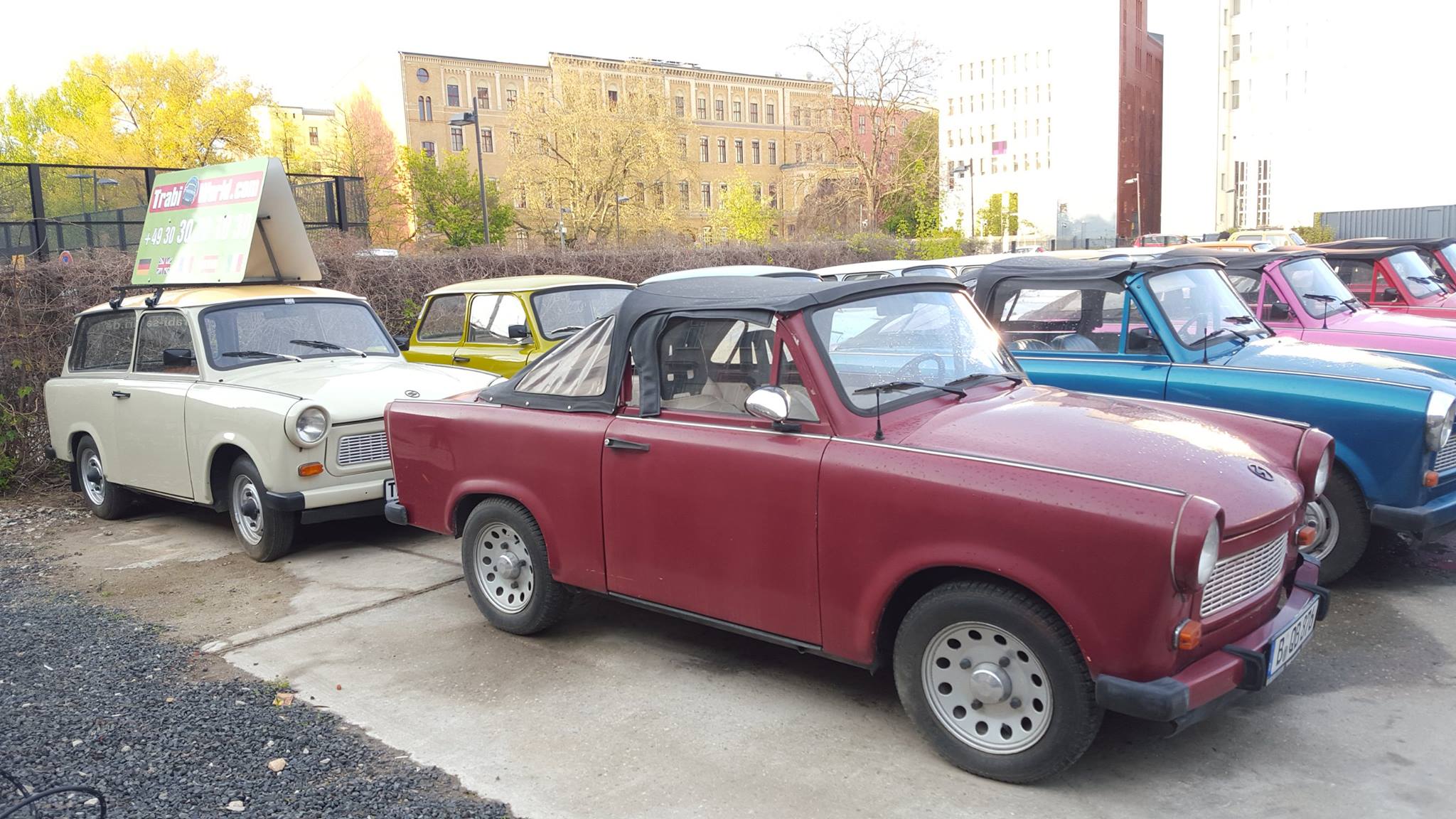
The DDR Museum on the banks of the Spree in central Berlin is an interactive museum covering everyday life in the German Democratic Republic (East Germany, 1949–1990). It covers state surveillance, travel restrictions, housing, food, fashion, and the Trabant car — the "little crappy East German car" available for tourist rental near the museum. The GDR housed roughly 17 million people under a surveillance apparatus run by the Stasi secret police, which employed one informant per 63 citizens — the densest surveillance network in history.


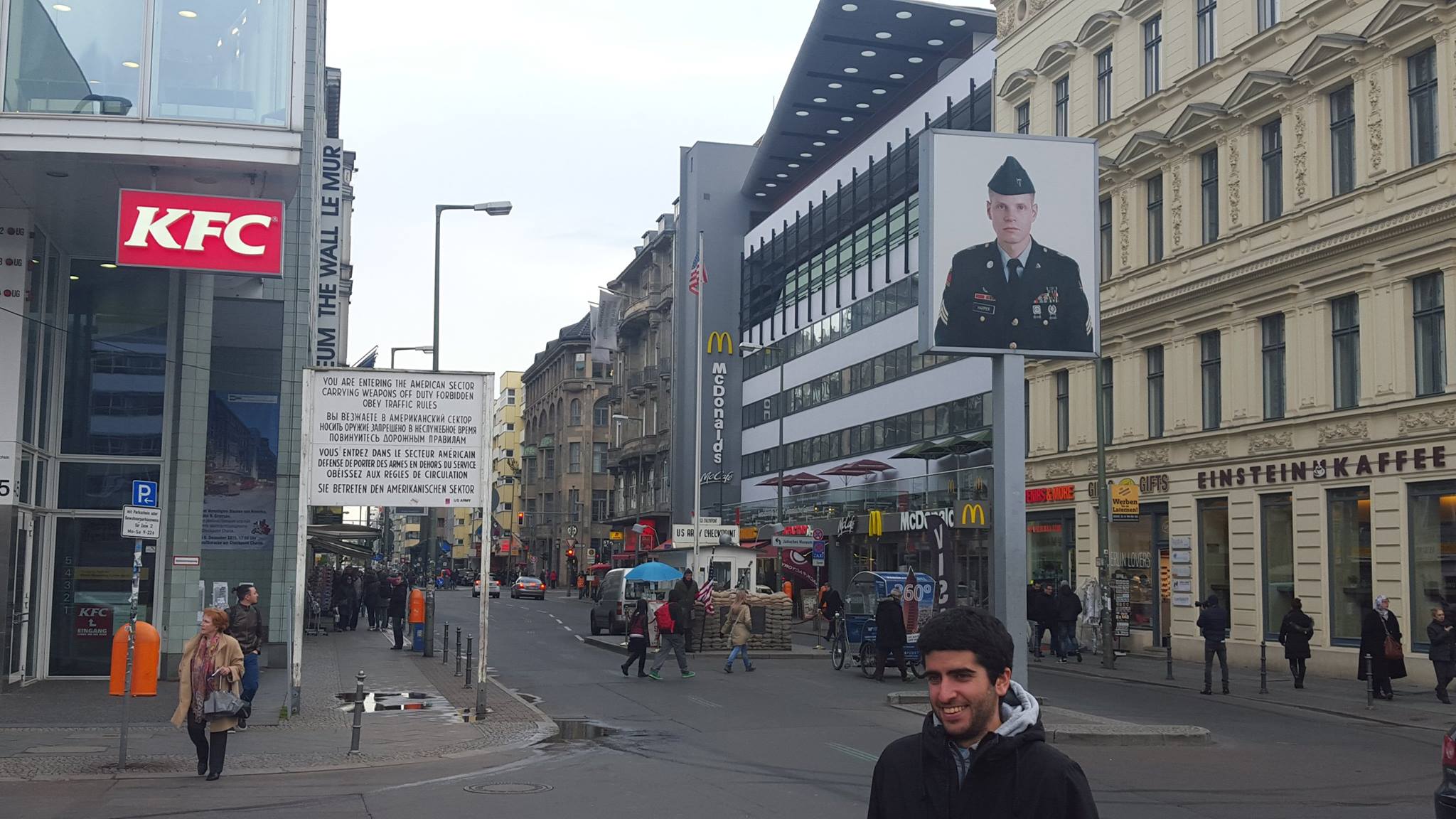

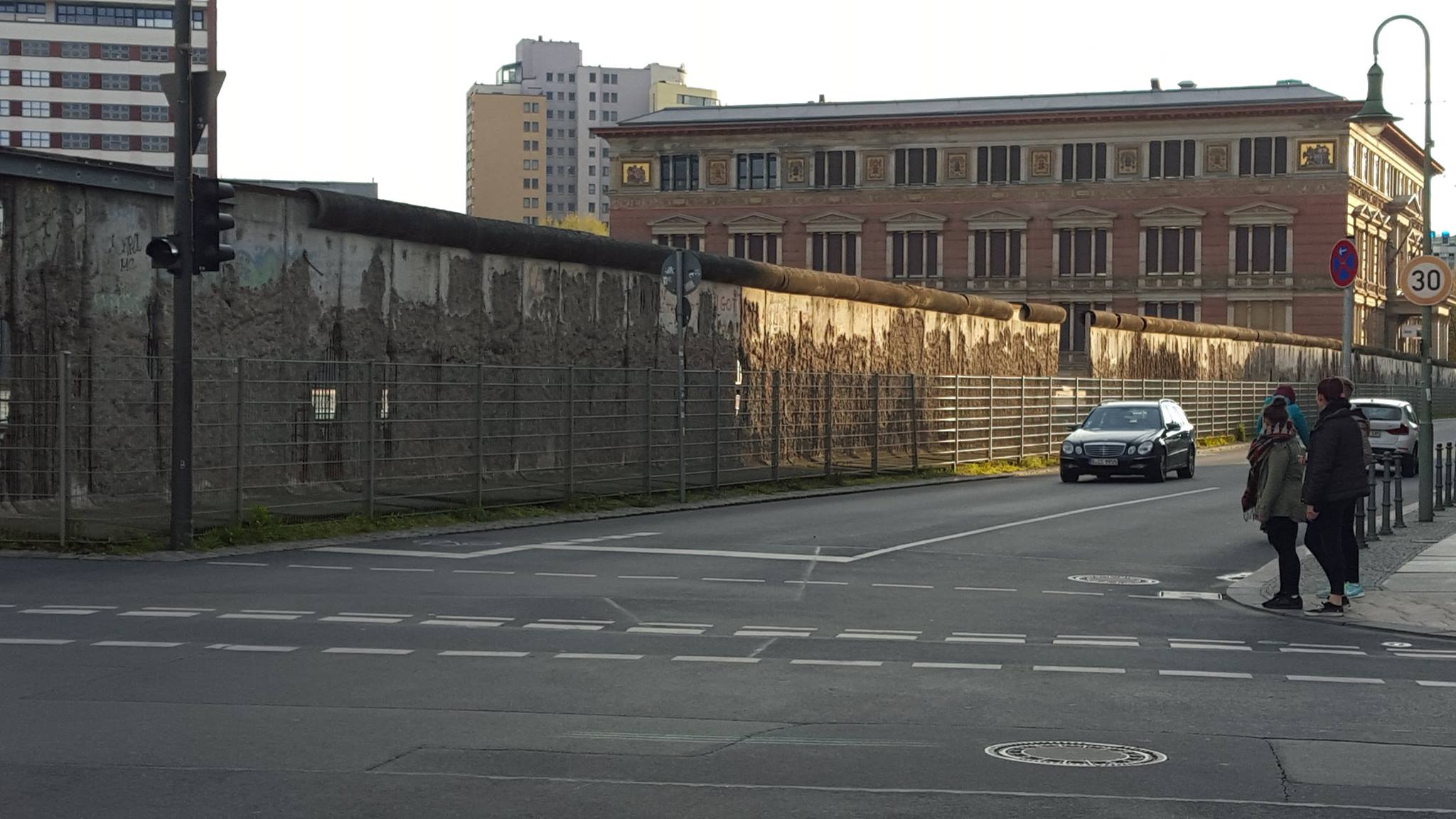
"A portion of the wall still standing — I was happy to see that the piece I bought 15 years ago has appreciated in value 3–4%."



Taxi back to the hotel could have been a problem with a dead phone and the taxi driver was the only person I met on the trip that didn't speak English — but I remembered I was on "Rohrdamm" and he got me there. Fortunately Rohr is a name on both sides of the family so I remembered it. Of course when we get there he says "oh Holiday Inn — yes I know it." No, no you don't.
Did have sad news as I got a text from Annelise of tragedy with her friends — could have been any of our kids and a reminder to prioritize what is important.